Non-Slip Epoxy
Flooring Brisbane

A more practical floor starts with understanding where people walk, what gets spilled and how your business operates.

Conch Floor Coatings offers non-slip epoxy flooring options for Brisbane businesses that need better grip in work areas, entrances, service bays and other spaces where a smooth concrete finish may not be appropriate. Rather than recommending the same texture for every site, Corey considers foot traffic, water or oil exposure, cleaning routines, concrete condition and the way the area is used before discussing an appropriate coating system.

Whether you manage a workshop, commercial premises or a light industrial site, you can speak directly with the person quoting and installing the work. Conch is owner-operated, does not use subcontractors and places particular emphasis on concrete preparation.

  • Owner quoted and installed
  • No subcontractors
  • Preparation first
  • Anti-slip options
  • Free quotes
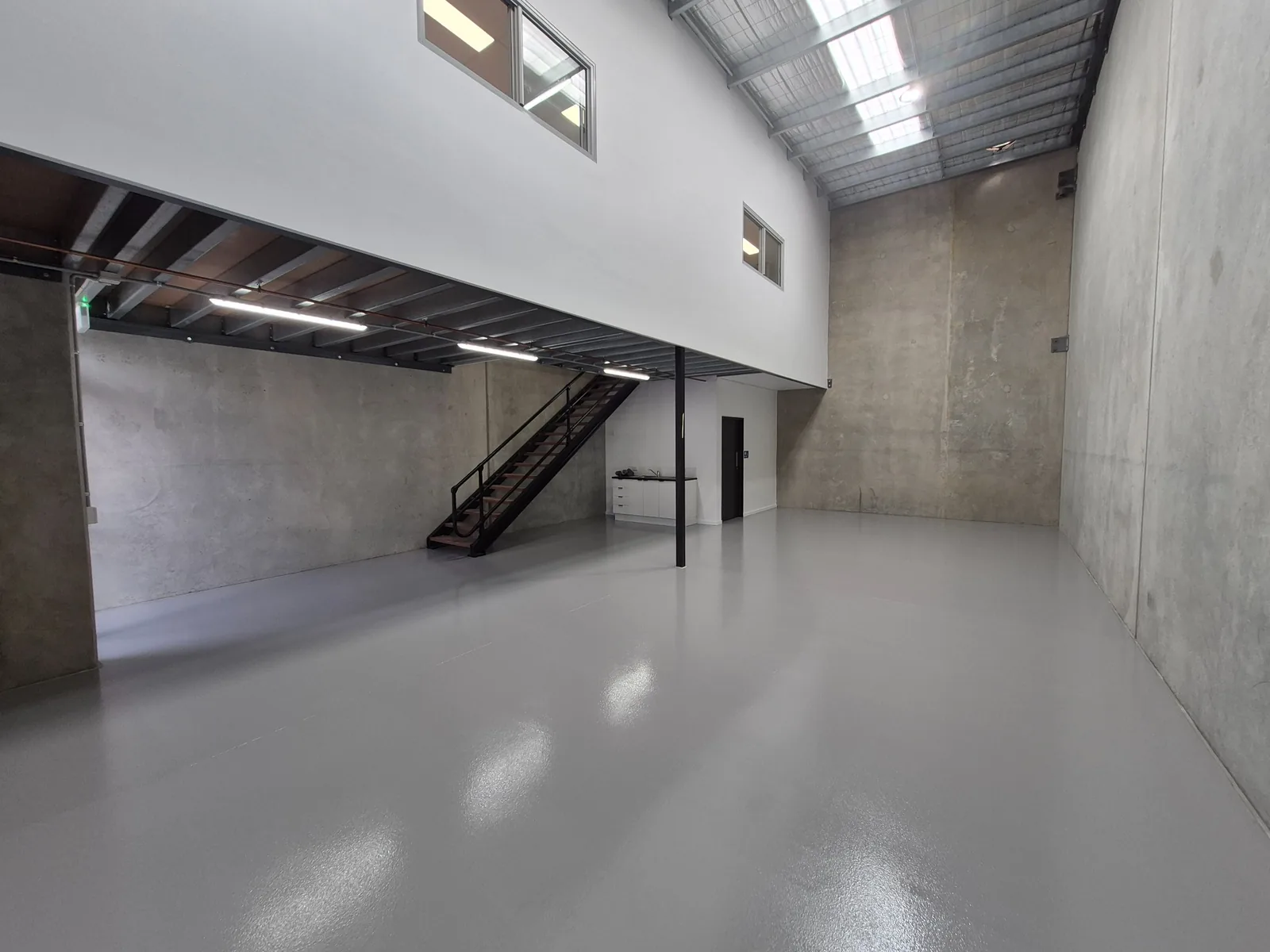
Grey coated warehouse floor beneath a steel mezzanine
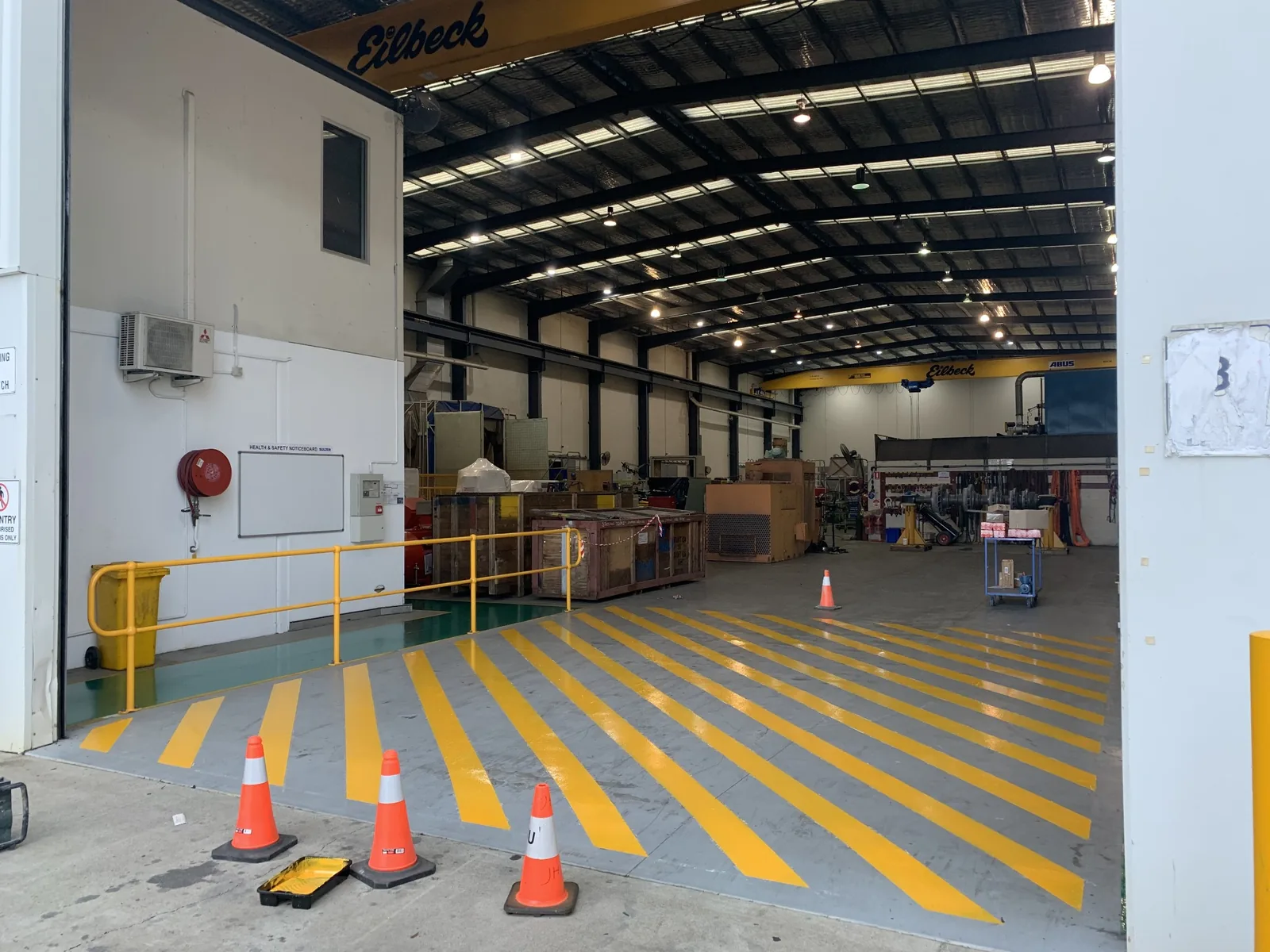
Industrial entrance with yellow floor markings and safety cones

Slip-Resistant Flooring Designed Around Real Workplace Conditions

Non-slip epoxy flooring is a common search term for a textured coating designed to help improve underfoot grip. In practice, the more accurate description is slip-resistant flooring. No surface can be guaranteed slip-proof in every condition, particularly when water, oil, grease, dust or other contaminants are present.

The right approach starts by identifying where people may slip and why. An entrance that brings in rainwater has different needs from a trade workshop exposed to lubricants. A customer-facing walkway may need a presentable finish that cleans easily, while a work bay may call for a more pronounced texture. Footwear, drainage, floor slope and cleaning methods can also change the decision.

Conch can discuss anti-slip epoxy coating options suited to the surface and project requirements. If your site has a formal specification or slip-resistance classification, send it through with the enquiry so it can be assessed before a finish is recommended.

Where Commercial Anti-Slip Epoxy Flooring May Be Suitable

Entrances, Walkways and Areas Exposed to Water

Rainwater carried through a doorway, condensation and regular wash-downs can change how a floor feels underfoot. Entry points, internal walkways and transitions between different surfaces should be considered carefully, especially where staff or visitors move between wet and dry areas. A suitable textured coating may form one part of the response, alongside drainage, cleaning and prompt spill management.

Workshops, Service Bays and Trade Premises

Workshop floors often have to cope with vehicles, tools, dust and occasional oil or chemical spills. These sites need more than a finish described as hard-wearing. The type of contaminant, how quickly it is removed and the use of trolleys or wheeled equipment all influence the surface that makes sense. Corey can review these requirements alongside preparation and coating options.

Back-of-House and Light Industrial Areas

Commercial utility spaces, stock-handling areas and back-of-house passages can have their own mix of foot traffic, cleaning and operational constraints. Some zones benefit from extra texture, while adjoining areas may need a different finish for equipment movement or ease of cleaning. The aim is a considered flooring layout, not automatically applying the roughest surface everywhere.

How Anti-Slip Epoxy Flooring Gets Its Texture

An anti-slip epoxy finish can use a suitable textured coating approach or aggregates incorporated into, or applied with, the coating system. The selected materials and application method affect the feel of the floor, the cleaning requirements and its performance under the conditions expected on site.

A more textured finish is not necessarily better in every environment. A rough surface may offer extra grip in particular situations but can trap dirt or make routine cleaning more demanding. A smoother finish may be easier to maintain but may not suit wet or contaminated conditions. Conch discusses these trade-offs before recommending the appropriate approach for the intended use.

The finished result also depends on the existing slab and how well the system is installed. The coating, the concrete beneath it, and the way it will be maintained need to work together.

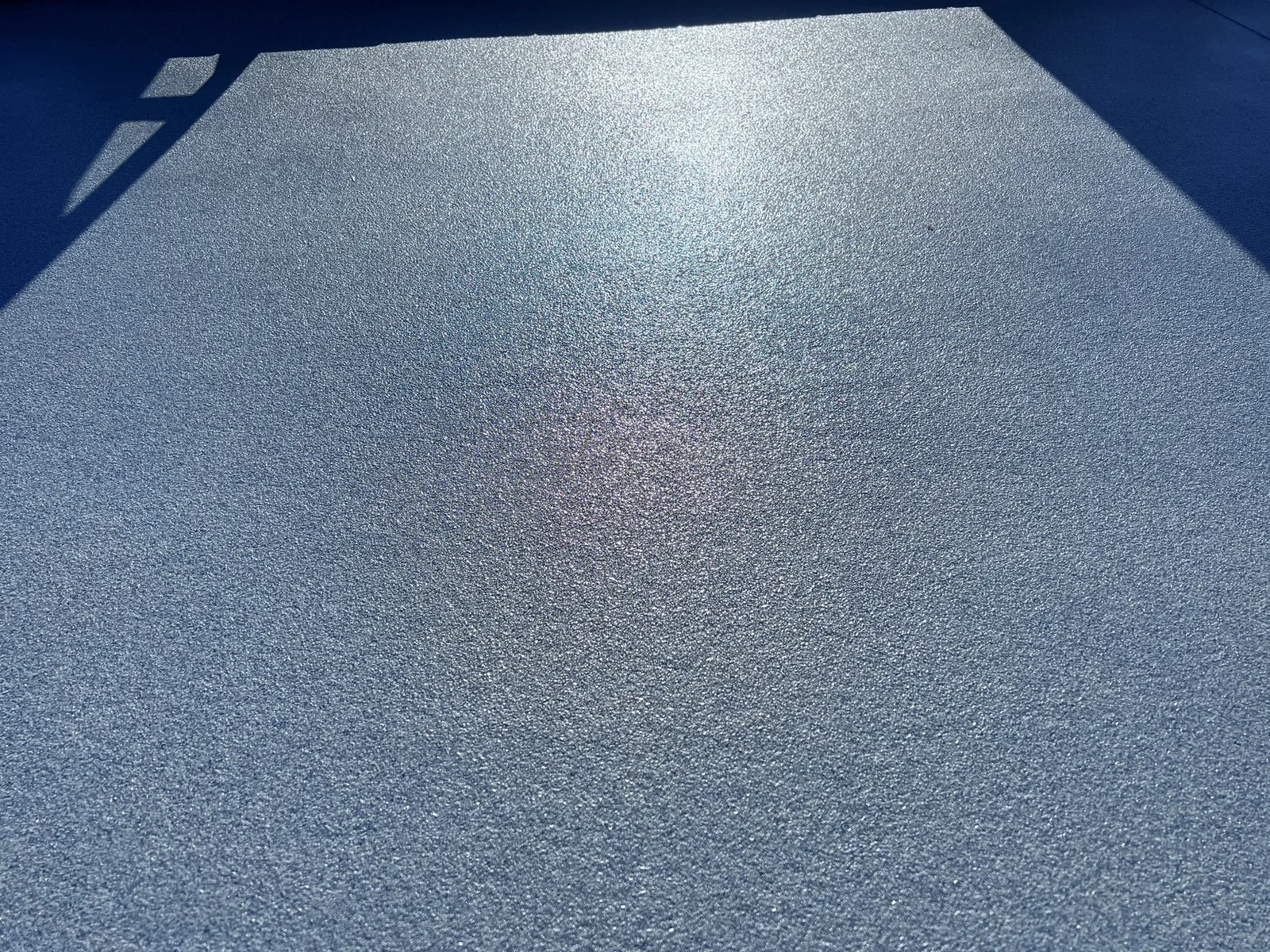
Close-up of a grey speckled floor finish
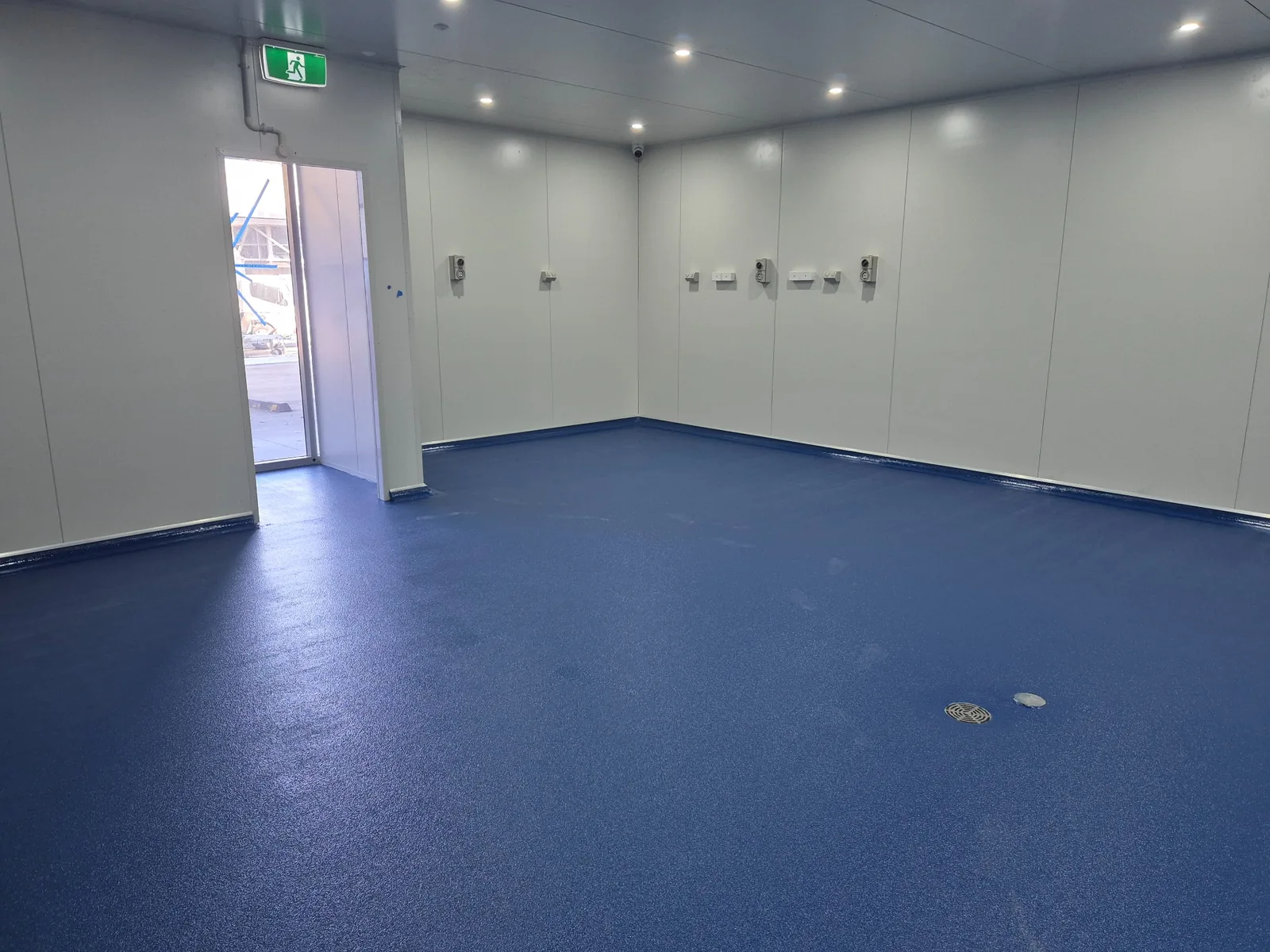
Blue coated floor in a commercial room with white panel walls

P-Ratings, Testing and Workplace Slip Requirements

If you have been asked for a P-rating, the starting point is to understand exactly what is being specified. In Australia, AS 4586 is used to classify the slip resistance of new pedestrian surface materials; AS 4663 addresses measurements on existing pedestrian surfaces. A P classification relates to a particular test, not a blanket promise that the surface will be safe under every condition.

There is no single P-rating that is right for every commercial floor. A site assessment should consider the actual risk, any applicable building or workplace requirements, and whether a documented test result or formal specification is needed. The required evidence and testing should be agreed before work starts rather than assumed from a general description such as 'non-slip'.

Conch can review the project brief and discuss suitable coating options. Where a specified rating or verified performance outcome is essential, the particular product system, testing evidence and responsibilities need to be confirmed during quoting.

Balancing Grip, Cleaning and Everyday Maintenance

A useful slip-resistant surface has to remain practical after handover. Textured areas may collect more dirt, depending on the profile and what passes over them. Cleaning equipment, detergents, frequency and staff routines should therefore be considered when deciding how much texture is appropriate.

Water or oil left on a floor can still create a hazard. Good housekeeping, suitable footwear, effective drainage and clear spill procedures remain important even when an anti-slip coating is installed. Over time, wear, contamination or cleaning residue can also alter the floor's condition, so regular checks and maintenance are worthwhile.

If you manage a facility, tell Corey how the area is cleaned now and what equipment is used. This can help avoid specifying a finish that looks suitable at installation but is difficult to keep clean in normal operations.

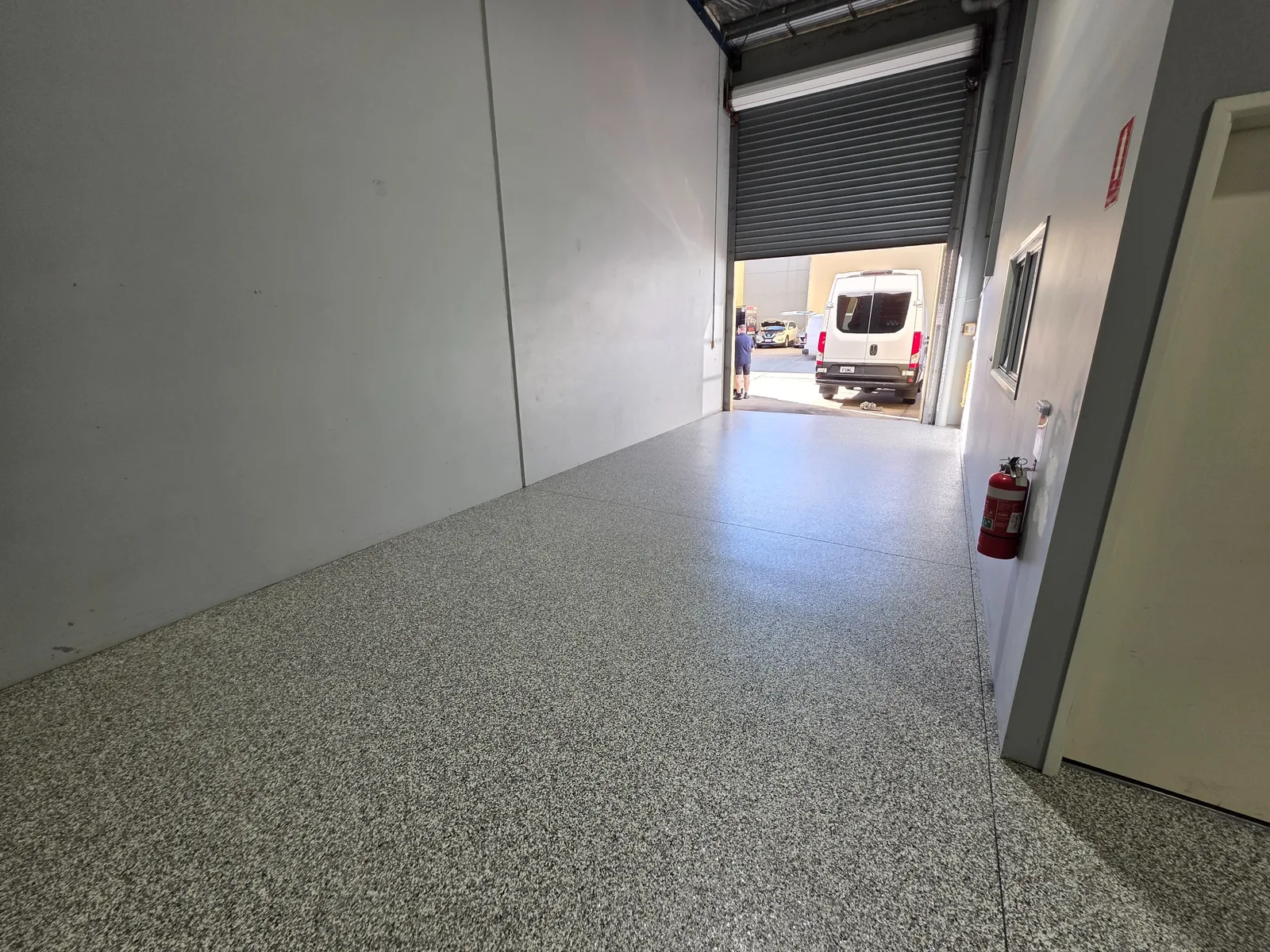
Speckled floor leading to an open roller door
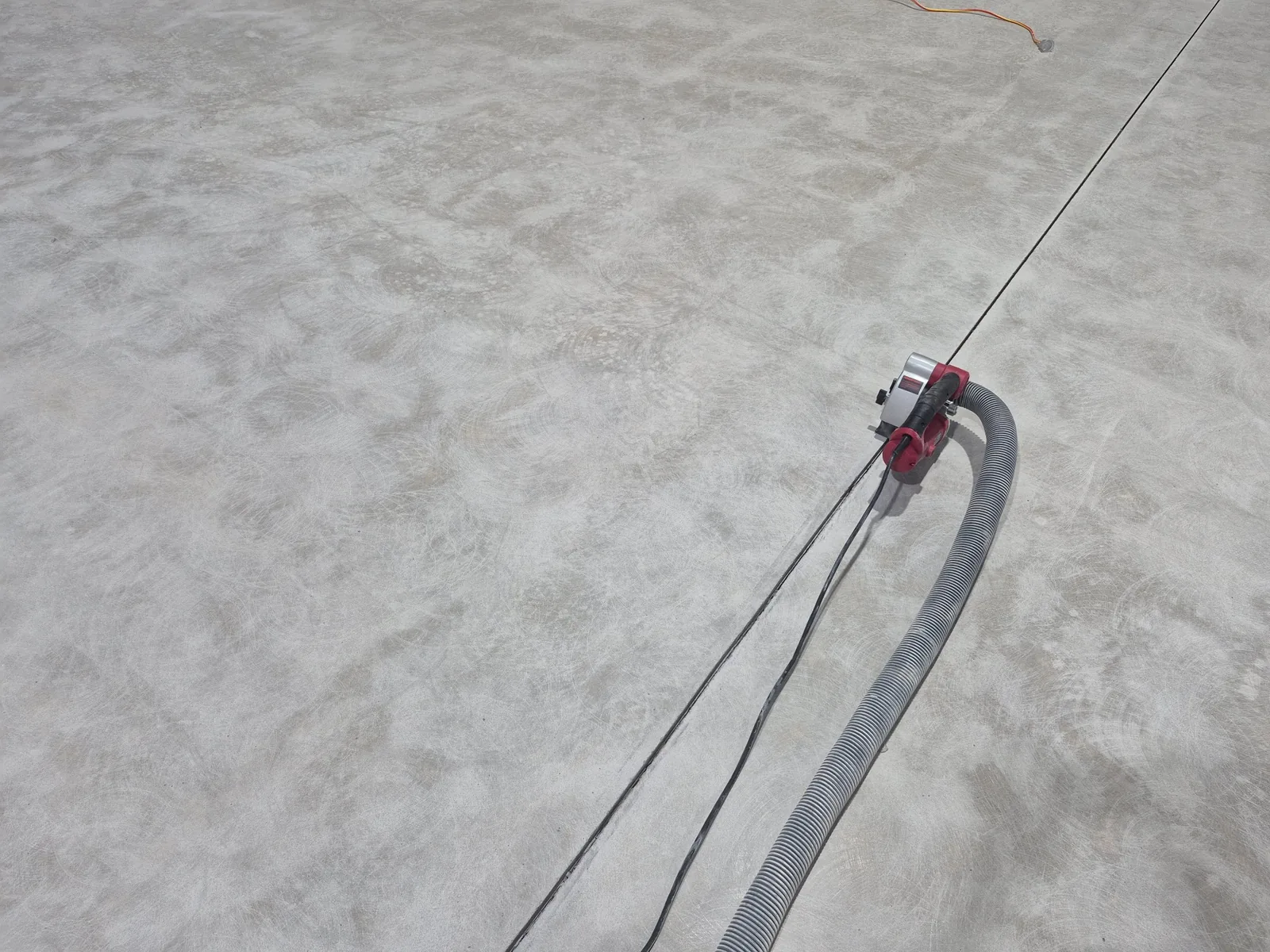
Concrete floor grinding with a connected dust extraction hose

Concrete Grinding and Preparation Come First

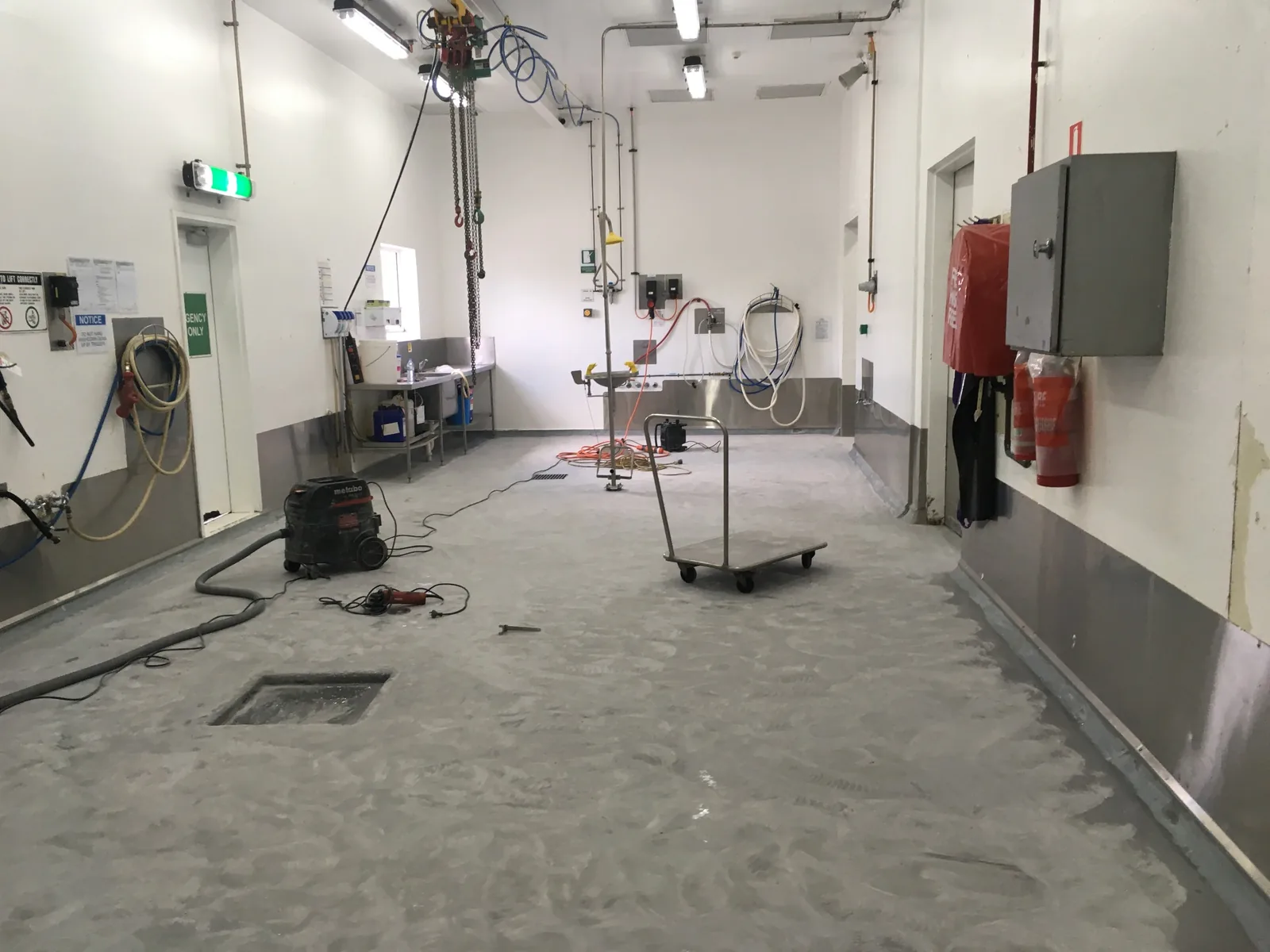
Grip is only one part of a commercial epoxy flooring project. The new system must also be suitable for the concrete beneath it. Old coatings, contamination, moisture concerns, damaged areas and poorly prepared surfaces can all affect how a coating bonds and performs.

Conch places strong emphasis on concrete grinding and surface preparation. Depending on the slab, this may involve removing unsound material, preparing the surface profile and identifying repairs or other issues to address before coating. Not every existing floor can simply receive another coat, particularly if the current finish is failing or the underlying concrete requires attention.

Taking time to assess the surface at the outset gives businesses a more useful quote and a clearer understanding of what the work involves. It also helps avoid choosing a finish based only on appearance or a headline price.

Planning Installation Around Your Business

1

For an operating site, access and downtime can matter as much as the finished floor. A workshop may need vehicles removed. A shop or commercial tenancy may have opening hours to work around. Staff also need to know when they can safely walk on the floor and when equipment can return.

2

Installation and curing times depend on the coating system, preparation, floor area and site conditions. Conch will discuss the proposed work sequence and return-to-use requirements as part of the quote. Staged installation may be worth considering on some sites, but it depends on safe access, separation and the actual project layout.

3

Providing your approximate floor area, photographs, operating hours and required handover date early makes that discussion easier. It also helps Corey identify whether a site visit or more detailed specification is needed.

Why Work Directly With Conch Floor Coatings?

Conch Floor Coatings is a Brisbane-based, owner-operated business. You speak directly with Corey, who handles both quoting and installation rather than handing the project to subcontractors. For managers, builders and business owners, that means a clear point of contact throughout the process.

The approach is straightforward: understand the work area, assess the concrete, discuss slip and cleaning needs, prepare the surface properly and agree on a coating option suitable for the brief. If a site needs a formal slip classification, specialised chemical performance or documented testing, those requirements should be raised and confirmed before the work is accepted.

Conch also provides broader commercial epoxy flooring and warehouse and workshop epoxy flooring services. Those pages are useful when your main concern is overall durability, vehicle traffic or a complete business-floor refurbishment rather than slip resistance alone.

Concrete surface preparation in a commercial work area
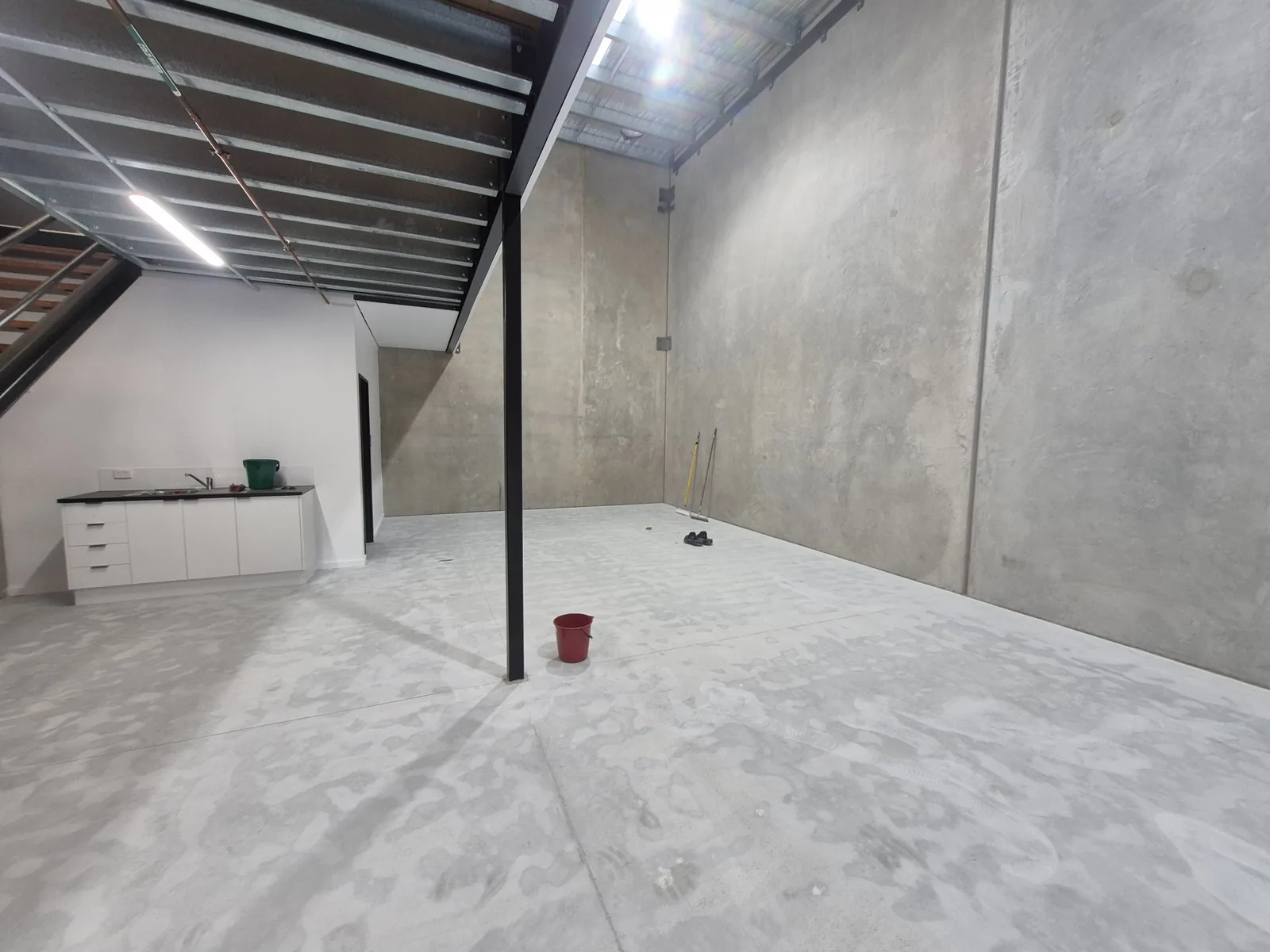
Prepared concrete floor inside a warehouse beneath a mezzanine

Anti-Slip Epoxy Flooring Across Brisbane and Surrounding Areas

Brisbane is Conch's primary service area, including commercial premises across the southside and wider Greater Brisbane. Projects in industrial and business areas around Logan, Ipswich, North Brisbane and Moreton Bay can be discussed based on scope and availability.

For suitable larger commercial projects, Conch may also consider sites further afield in South East Queensland, including the Gold Coast and Sunshine Coast, by arrangement. Share the site location, approximate area and project requirements so coverage can be confirmed before the quote progresses.

Frequently Asked Questions

A smooth epoxy finish can become slippery when wet or contaminated. Slip-resistant epoxy options use texture or suitable aggregates to help improve grip, but no floor can be considered slip-proof in every situation. The right finish depends on how much water or other contamination is expected, the site's use and maintenance arrangements.

Request a Non-Slip Commercial Epoxy Flooring Quote

If you are concerned about a slippery walkway, planning a workplace refurbishment or reviewing slip-resistant floor options for a new fit-out, start with the site details. Tell Corey where the floor is, how it is used, what spills or moisture it encounters and whether you have a specified slip rating.

Conch can discuss the concrete preparation, possible flooring approach, access requirements and next steps for a project-specific free quote. There is no need to guess at a coating or texture before the site has been properly considered.

Add Plans & Details

By submitting this form, you agree to our Privacy Policy.